The names change from era to era, but the lesson remains familiar: when the Titans run out of defensive backs, trouble follows.
THIRTY YEARS SAYS
This season marks my 30th year covering the Titans franchise.
To denote the anniversary, I'll periodically step back from the daily churn and connect what's unfolding now with what three decades covering this team have taught me.
Football changes. Coaches change. Players change.
Some lessons don't.
Here's the first installment of "Thirty Years Says."
By PAUL KUHARSKY
NASHVILLE, Tenn. – The first version of the franchise I covered had a strong-willed group of tight-knit starting defensive backs.
What the 1996 Houston Oilers didn’t have was something that’s often been an issue for the team over 30 years: Depth.
That season, the final year in the Astrodome, corners Cris Dishman and Darryll Lewis, nickel Steve Jackson and safeties Marcus Robertson and Blaine Bishop missed one start. And so the lack of quality behind them wasn’t tested.
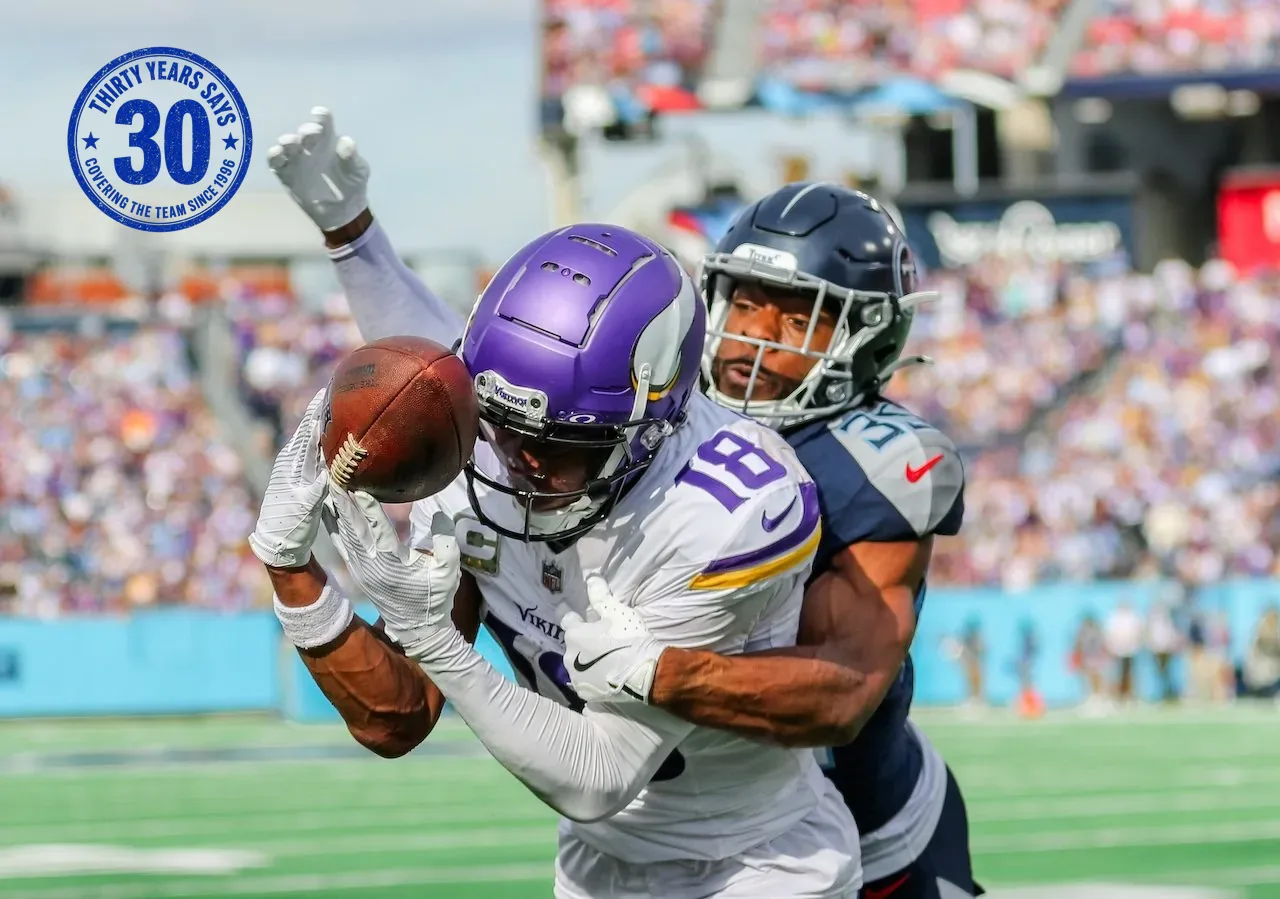
They were not a great interception group, with 12, and ranked 13th in pass defense while the 8-8 team was second against the run.
But it set a tone of friendship and accountability I’ve always remembered as a standard, and I’ve measured defensive backfields against it ever since.
There are far fewer "my bads" and there is far less public accountability now.
When the Titans have been good, they've generally had quality starters in the secondary and enough depth to survive injuries. When they've struggled, problems often began when the depth chart got tested.